
The Complete Guide to Postpartum Fitness Recovery at Home

Pregnancy and childbirth change your body in ways that don't just reverse themselves overnight. Between recovering physically, adjusting to a new routine, and simply finding ten free minutes in a day, “getting back into fitness” can feel like a distant goal for many new mothers. The good news: postpartum recovery doesn't require a gym, a trainer, or hours of free time. A few simple, well-chosen habits at home can make a real difference as long as they're approached gently and at the right pace.
Why Postpartum Recovery Is Different From “Regular” Fitness?
During pregnancy and delivery, the muscles of the pelvic floor the sling of muscles supporting the bladder, uterus, and bowel stretch and weaken considerably. This is completely normal, but it's also why many new mothers notice things like unexpected leakage when sneezing, coughing, laughing, or jumping in the months after delivery.
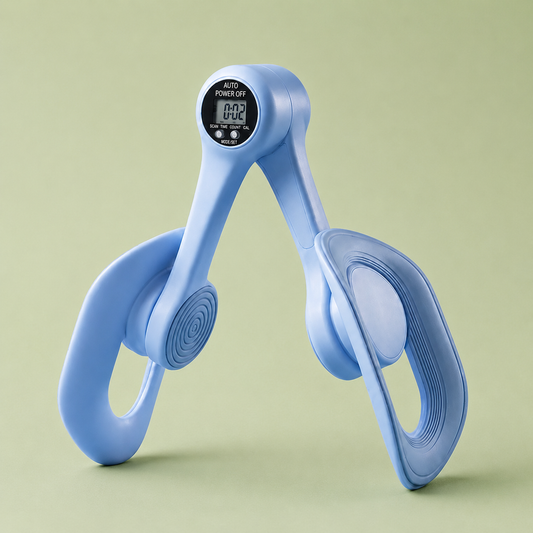
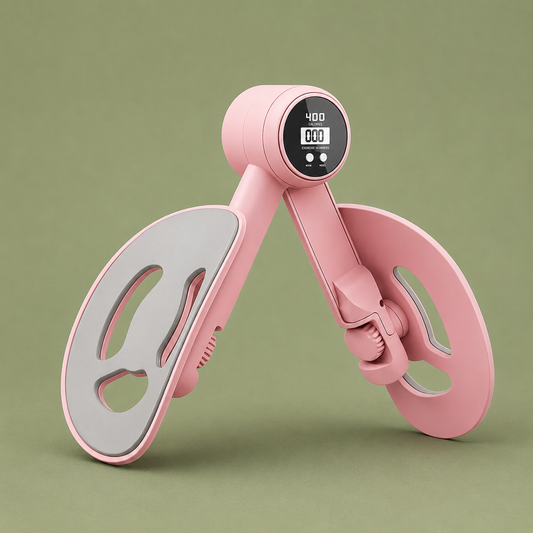
The inner-thigh muscles (called the hip adductors) and core muscles are closely connected to pelvic floor function, which is why postpartum fitness routines typically focus on these three areas together rather than jumping straight back into general workouts.
The Role of Pelvic Floor Exercises
Pelvic floor exercises often called Kegel exercises are one of the most well-studied forms of postpartum recovery training. Research has found pelvic floor muscle training to be an effective way to help prevent and manage postpartum urinary incontinence, and studies specifically on postpartum women have reported improvements in pelvic floor strength following structured training.
The exercise itself is simple: contract the pelvic floor muscles (as if stopping the flow of urine midstream), hold briefly, then release. What matters more than intensity is consistency a few focused minutes daily tends to matter more than occasional longer sessions.
Getting Started Safely
-
Get medical clearance first. Every recovery timeline is different, especially after a C-section or a complicated delivery. Don't start any new exercise routine until your doctor has confirmed you're ready.
-
Start at the lowest intensity. Whatever tool or exercise you're using, begin with the gentlest version and get comfortable with the movement before increasing difficulty.
-
Master control before adding resistance. The goal early on is controlled, correct engagement of the muscles not forcing the movement or rushing progress.
-
Build gradually. As strength returns, resistance and duration can increase but slowly, and only as it feels comfortable.
A Simple At-Home Routine
For many new mothers, the appeal of postpartum fitness tools is that they fit into an already unpredictable day. A short daily session around 10 minutes focused on the inner thighs, hips, and core can be done while watching TV, during a baby's nap, or between other tasks.
What to Expect
Recovery isn't linear, and progress looks different for everyone. Some people notice a difference in how their core and thighs feel within a few weeks of consistent practice; for others it takes longer, especially with disrupted sleep and limited time. The goal isn't a fast transformation it's building a small, sustainable habit that supports your body's recovery over time.
Previous
How to Choose the Right Home Gym Equipment in India: A Beginner's Buying Guide (2026)
Next
7 Affordable Home Fitness Products That Actually Make a Difference