
5 Muscles You're Probably Not Training And Why They Matter

Most workout routines focus on the muscles we can see in the mirror arms, abs, glutes. But several smaller, less obvious muscle groups play a bigger role in everyday strength, stability, and mobility than most people realize. Here are five muscles worth paying attention to, why they matter, and simple ways to start training them at home.
1. Hip Adductors (Inner Thighs)
The hip adductor group five muscles running from the pelvis to the inner thigh and knee is responsible for pulling the legs toward the body's midline. It plays a key role in hip stability and balance, yet it's rarely targeted by standard leg workouts, which tend to focus on the quads, hamstrings, and glutes instead.
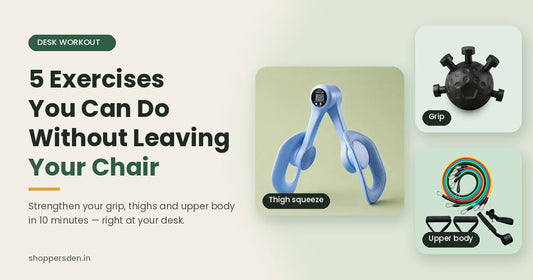
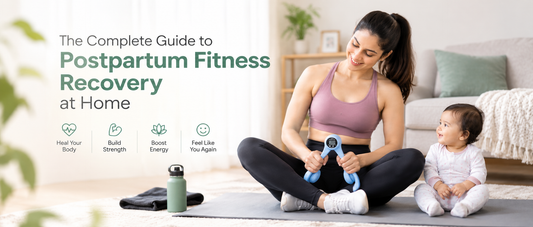
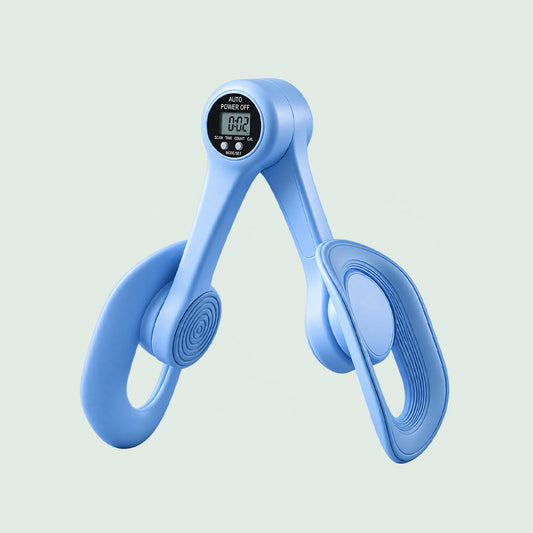
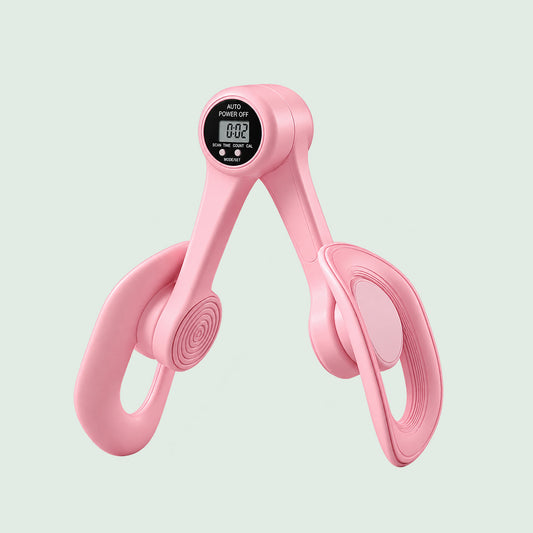
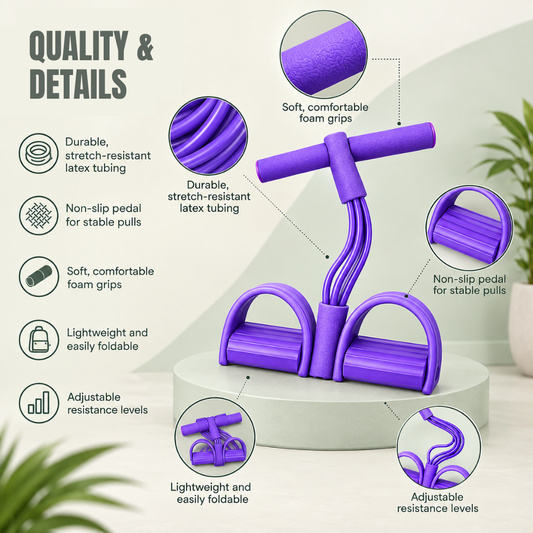
How to train it: A compact inner-thigh and pelvic trainer lets you isolate this muscle group directly with a simple squeeze motion, using adjustable resistance that can start light and increase as strength builds.
2. Pelvic Floor
The pelvic floor is a sling of muscles supporting the bladder, uterus, and bowel. It weakens naturally with age, pregnancy, and childbirth, and weakness here is linked to issues like unexpected leakage during sneezing, coughing, or laughing. Pelvic floor training is one of the most well-studied forms of targeted muscle work, yet it's almost never included in general fitness routines.
How to train it: Simple contract-and-release exercises (often called Kegels), ideally alongside inner-thigh work, since the two muscle groups are closely connected. Always consult a doctor before starting pelvic floor exercises postpartum or after surgery.
3. Forearm and Grip Muscles
Grip strength depends on a network of small muscles in the forearm and hand muscles that rarely get direct attention in typical strength training, even though they're used constantly for lifting, carrying, typing, and everyday tasks. Weak grip endurance can quietly limit performance in other exercises, like rows or deadlifts, long before the bigger muscles fatigue.
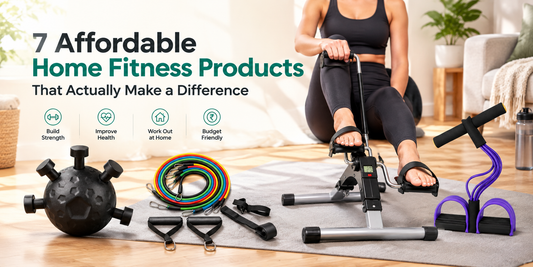
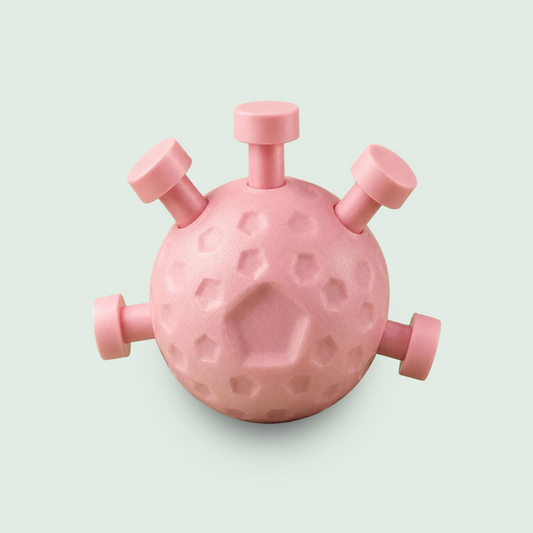
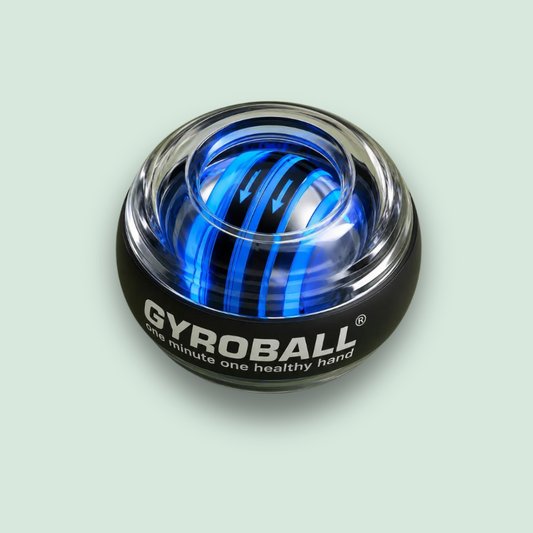
How to train it: A hand strengthener or gyroscopic wrist ball can build forearm and grip endurance in just a few minutes a day, without needing any additional equipment.
4. Upper Back and Rear Shoulder Stabilizers
Hours of sitting and screen time tend to overwork the chest and front shoulders while leaving the upper back and rear shoulder muscles underused a common contributor to rounded shoulders and slouched posture. These stabilizing muscles matter for posture and shoulder health, even though they're easy to neglect.
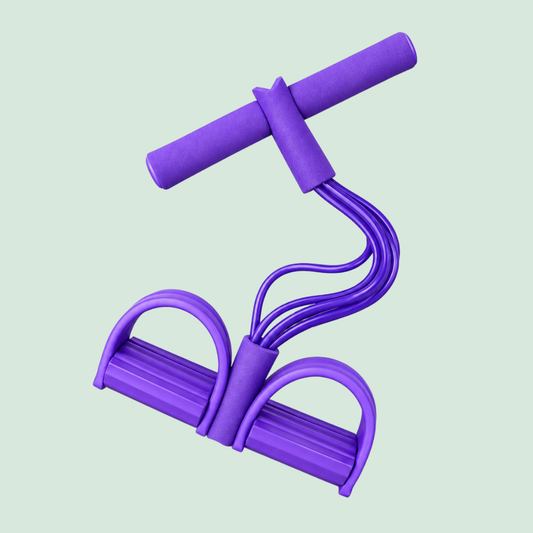
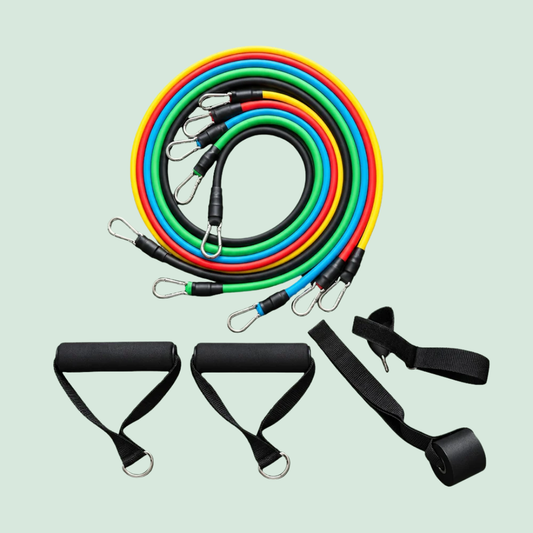
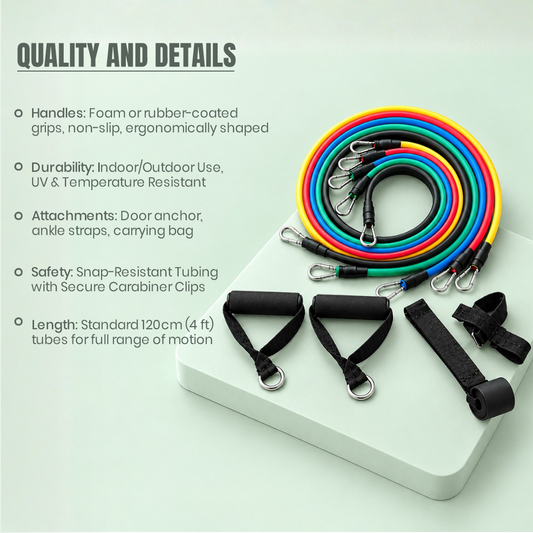
How to train it: Resistance band rows, using a tube set with a door anchor, are a simple way to engage the upper back and rear shoulders without needing a gym machine.
5. Deep Core (Transverse Abdominis)
The 'six-pack' muscles (rectus abdominis) get most of the attention, but the transverse abdominis a deeper muscle that wraps around the torso like a corset is what actually stabilizes the spine and supports posture during everyday movement. It's engaged differently than surface ab exercises like crunches.
How to train it: Rotational, core-engaging movement like using a weighted hula hoop can help activate this deeper core muscle in a way that's more dynamic than static ab exercises.
Why These Muscles Deserve More Attention
None of these five muscle groups require a gym membership or specialized equipment to train just consistency, the right movement pattern, and a willingness to work on the muscles you can't see in the mirror. Small, compact tools designed for each of these areas make it realistic to build this kind of training into a normal daily routine.
Previous
7 Affordable Home Fitness Products That Actually Make a Difference
Next
Desk Workout: 5 Exercises You Can Do Without Leaving Your Chair use all 3 product in this image
Related articles
-
Oct 06 2026
What Equipment Should You Buy for a Home Gym?

-
Sep 26 2026